
1350 - Remembered: Davis Park and the Municipal Pool


For generations, Davis Park was where Greensburg came together. The land was donated to the city by Manville Davis, and during the 1930s the Works Progress Administration transformed that gift into a community gathering place. The WPA built the swimming pool and pool house at a cost of just under twenty-nine thousand dollars, with the federal program covering most of the expense and the city contributing the rest. It was a partnership rooted in the belief that a small town could build things worth sharing.
For decades, Davis Park served as the center of summer life in Greensburg. The pool had a high dive, low dive, slide, basketball hoop, and “the table,” a favorite hangout between swims. There was even a kiddie pool for the youngest residents. On long, hot Kansas afternoons, the park overflowed with the sounds of splashing water, running feet, and conversations drifting through the shade trees.
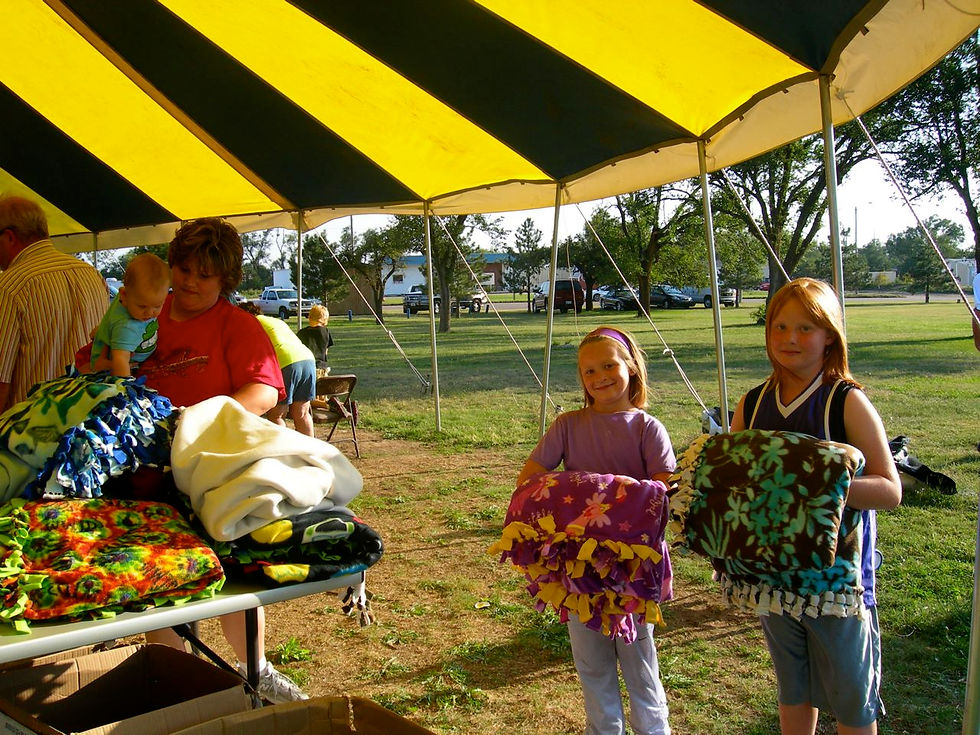
When the tornado struck in May 2007, Davis Park took on a meaning no one could have imagined. In the days and weeks that followed, it became the hub of the town’s recovery. A massive ten filled the open space where the summer crowds once gathered. From that tent came daily meals served by volunteers, medical stations offering tetanus shots, and supply centers where residents could find essentials and information. Local, state, and federal agencies set up operations across the park, but more importantly, so did neighbors who simply wanted to help.
The park became a meeting ground for hope. Community briefings and support gatherings brought people together who had been scattered overnight, giving them a place to share news, grieve, and begin imagining a path forward. For many, Davis Park was where the first real steps toward recovery began.
A few years later, the original pool was deemed unsalvageable due to structural cracks, and in 2015, a new pool opened closer to the center of town. Yet Davis Park remains an essential part of Greensburg life, still hosting Founders Day, farmers’ markets, and everyday gatherings that continue the tradition of connection that began there nearly a century ago.